BFIRST December 2025 Newsletter
18 December 2025
(Last updated: 22 Dec 2025 11:06)
December 2025 Newsletter
BFIRST is a UK registered charity which trains surgeons and their teams working in low to middle income countries to enable them to undertake reconstructive Plastic Surgery independently in an equitable and sustainable manner. Treating functional disability, injury and pathology via surgical treatment helps enable restoration of independence to both adults and children thereby improving quality of life.
BFIRST also provides educational resources for Plastic and Reconstructive Surgeons through our Webinar series.
In the December 2025 BFIRST newsletter we bring you up to date with our latest activities undertaken by BFIRST and hope that they inspire you to get involved!

News
Tony Barabas becomes BFIRST Chair
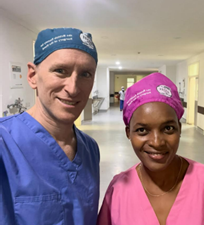
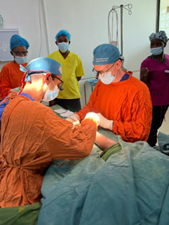
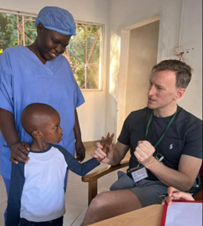
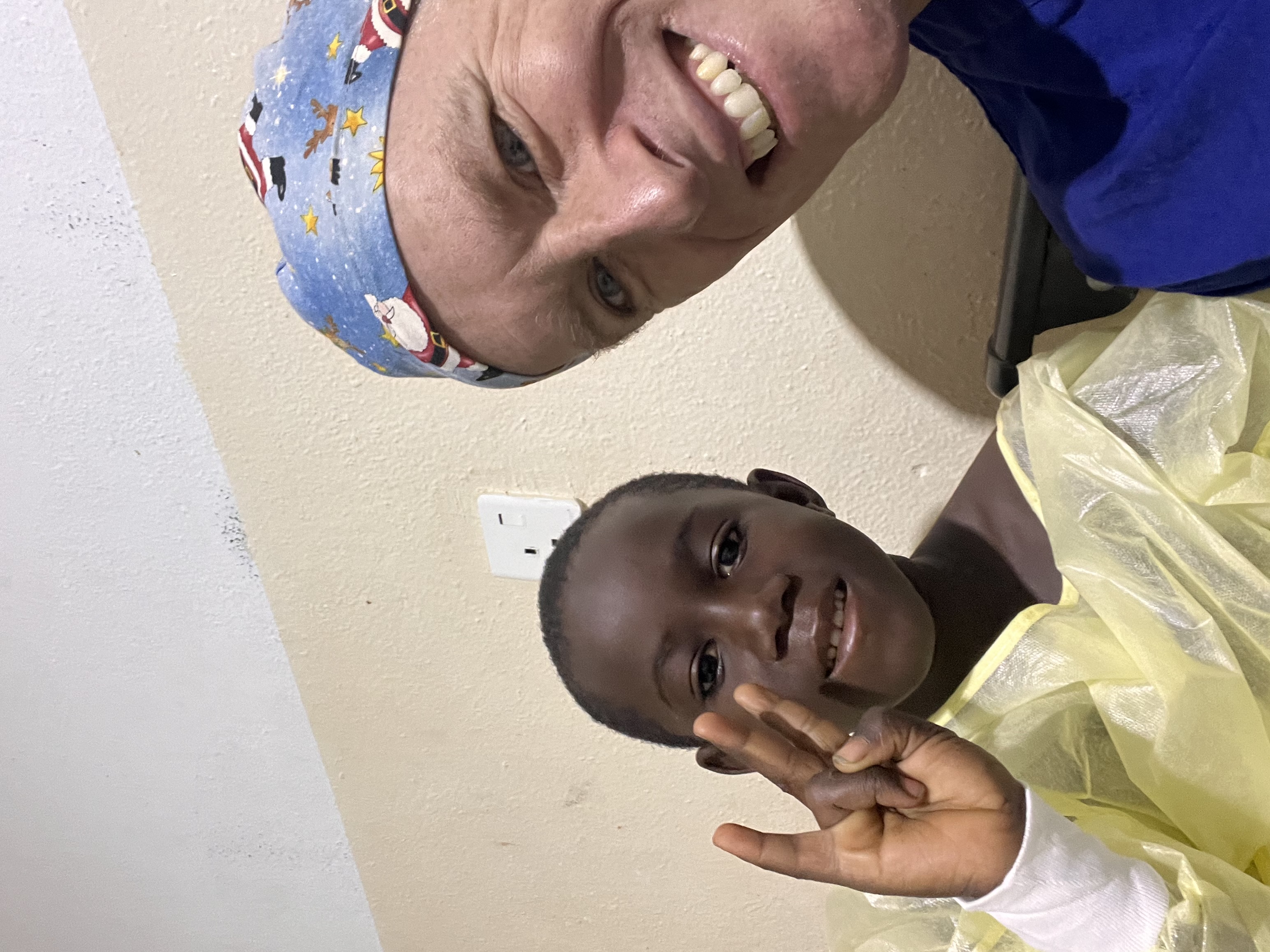
Congratulations to Tony Barabas, the new BFIRST Chair.


A Christmas message from our new chairman:
“BFIRST wishes all of our BAPRAS colleagues and overseas partners a very Merry Christmas and a Happy New Year. We would like to encourage anyone considering the gift of charity this festive season to donate to BFIRST.
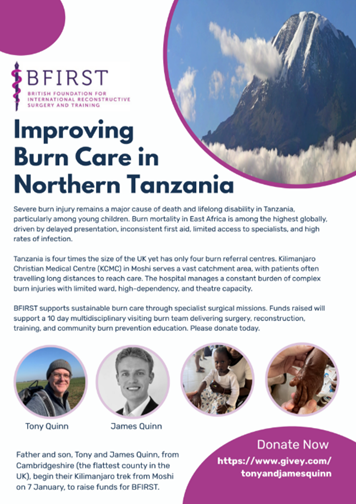
If you would prefer to sponsor a particular trip, Tony and James Quinn are climbing Kilimanjaro, commencing 7th January in aid of Improving Burn Care in Northern Tanzania! BFIRST are very grateful to Tony and James for choosing our charity to support.
I would like to thank Nav Cavale for his marvellous chairmanship of BFIRST these last three years and I am looking forward to succeeding him from 1st January.”
Tony is featured in this month’s meet the team, please see below:
Former BFIRST fellow appointed Chief of Plastic Surgery at ALERT, Ethiopia
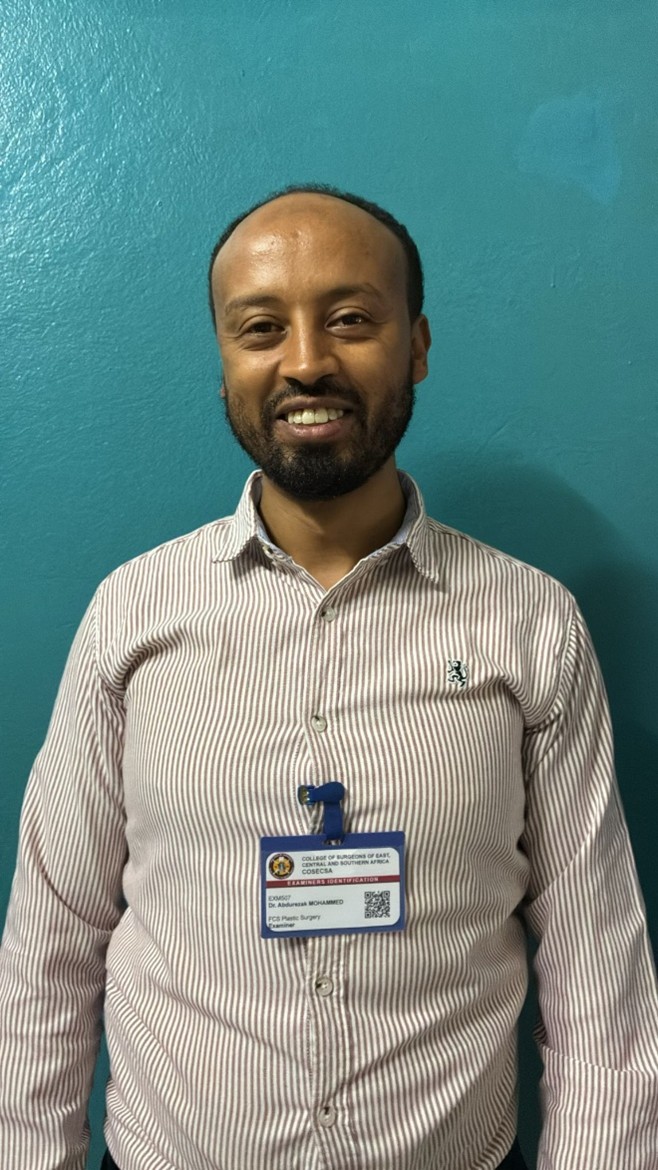
Congratulations to Dr Abdurezak Mohammed, former BFIRST Taiwan fellow, who has been appointed Chief of Plastic Surgery Department at ALERT hospital, Addis Ababa, Ethiopia!
BFIRST essay prize 2026
BFIRST Essay Prize (£250.00) 2026
We are delighted to announce the 2026 BFIRST Essay Prize!
The title for this year’s contest is “How can harnessing AI transform surgical care in resource-poor countries – for better or worse?”
We are looking forward to receiving your essay until 23.59 GMT, on 1 May 2026.
The winner will present their work in an upcoming BFIRST Overseas Day or session at the BAPRAS Winter meeting. (Please note we will not fund travel to this meeting however this work can be presented virtually).
Submission
To submit your essay, please send it to info@bfirst.org.uk.
Please provide a separate note with your essay containing your name, grade and current hospital of work. This information will not be provided to your assessors and all essays will be graded anonymously.
Eligibility
- Resident Doctors at all stages and medical students worldwide are eligible to submit an essay to be considered for the prize.
- Submissions made after the deadline has passed will not be taken into consideration.
- Please refrain from using your own title and use the title provided above.
- Please do not include your name in the text of the essay itself.
- Multiple submissions of the same or different essays are not allowed, and only the first submitted essay will be graded.
Word count and document formatting
- Maximum word count 1500 words. Any content beyond the word count will not be assessed.
- Please submit in Word or PDF format.
- Please use double spaced Calibri Font 12 for all content of your essay.
Any deviation from this will result in penalisation.
LION Hospital, Malawi Opportunity
We are looking for an upper limb Consultant surgeon (plastics or orthopaedics) to volunteer at the LION in Malawi, during the following dates:
- 24th May – 19th July
- 13th September – 27th September
- 25th October – 22nd November
If you are interested in volunteering at the LION hospital for some or all of these dates, please let us know if via this link. https://bfirst.org.uk/contact.aspx
Meet the Team
Mr Tony Barabas: BFIRST Chair
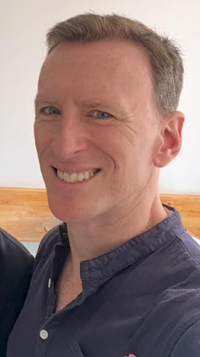
Tell us about yourself?
I attended Southampton Medical School, qualifying in 2001. I then spent 18 months at the Royal Brisbane Hospital, Australia, just as the Bali Bombings occurred. The experience helping treat the victims of the bombings was the start of my career into Plastic Surgery, and exposed the importance of reconstructive surgery in restoring lives back to normal. My hand fellowship in Cape Town made me appreciate the disparity in medical care between communities, and how great a need there is in training medical staff in reconstructive techniques. I now work as a plastic and hand surgeon in Cambridgeshire.
Tell us about your time with BFIRST?
I was delighted to appoint Sudan’s first female plastic surgeon on my initial trip with BFIRST as an examiner for the Sudanese Plastics exit exams. Several trips teaching microsurgery, lower limb and hand surgery in Myanmar followed Sudan, but civil unrest in both countries has prevented me returning. I have been the Hand consultant lead at the LION Hospital in Malawi for 2 months in 2023 and 2025, I visited Ethiopia to help establish microsurgery training facilities in Addis Ababa and initiated the BFIRST training programme in The Gambia.
Why did you want to work with BFIRST?
As the son of a political refugee I understand first hand how medical training can change someone’s life and career. My father was given the opportunity to continue his medical training in the United Kingdom after escaping Hungary in 1956. Throughout his career my father ran a scholarship programme for Hungarian surgeons to come to the UK and then return to Hungary with newly acquired skills which they taught to other surgeons still behind the Iron curtain. My father met my British mother in the UK, so you could say I am the product of medical charity!
What are your aspirations for BFIRST?
It is an honour to be the Chair of BFIRST and I will continue to help run established projects across Africa, Asia and South America and introduce new projects where financially possible. Effective fundraising will be essential to maintain current levels of activity, in particular our fellowship programmes sending individuals for training in Taiwan (microsurgery), The Ganga - India (micro, hand and trauma), and in all disciplines of plastic surgery in the UK. If you are involved in a charitable event, please consider BFIRST as your fundraising recipient charity.
What do you like to do outside of work and BFIRST?
Just like my dog, Coco, I love chasing balls! Tennis, squash, table tennis but even a badminton shuttlecock will do! My winter blues crave a UV soaked mountain ski slope after Xmas (SPF always!), and as you can see I love to travel.
Webinars
🌍 BFIRST 2026 Webinar Series
We are delighted to announce the start of the 2026 BFIRST Webinar Series! Offering focused, high-quality sessions for the global plastic surgery community, our first two webinars are now confirmed:
📅 10 January 2026: Setting Up an Orthoplastics Service, Mr A Emam
https://us06web.zoom.us/j/89453885185?pwd=M5Ha2ICrDbjUx7XyaK4KgqCXmTto4R.1
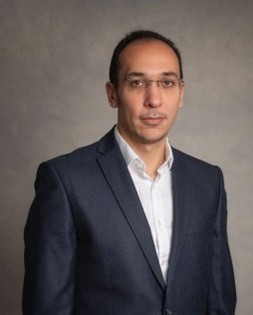
Mr Ahmed Emam is a consultant plastic and reconstructive surgeon based in Swansea, with a special interest in microsurgery and limb reconstruction. He leads the plastic surgery for South Wales Major Trauma Network and currently chairs the BAPRAS Trauma Special interest Group (SIG) and is co-chair of the BFIRST Education, Research and Fellowship Subcommittee.
📅 21 February 2026: Microsurgery, Mr J R Srinivasan
Mr Srinivasan is a consultant plastic and reconstructive surgeon based in Preston, with special interests in microsurgery and head and neck reconstruction. He is the Clinical Director to the Plastic Surgery Department in Lancashire Teaching Hospitals NHS Trust, a BAPRAS Council Member, and has been on the BFIRST Committee since September 2025.
Further details to be announced soon!
Additional webinar dates and topics will follow throughout the year as we continue to expand our programme.
We look forward to welcoming you to an engaging and educational year of BFIRST webinars!
Please follow our socials for updates about future webinars.
If you have missed any of the webinars from last year, you can watch them on our website including some fantastic webinars for revision of key topics within Plastic Surgery!
Projects
Cambodia
BFIRST Overseas Trip to Children’s Surgical Centre, Phnom Penh, Cambodia. In November, a combined BFIRST/ BSSH/ BAHT and Singaporean team of consultant and registrar surgeons and a hand therapist, visited the Children & Surgical Centre in Phnom Penh, Cambodia. Mr Wee Lam (Consultant Hand and Plastic Surgeon), Miss Gill Smith (Consultant Hand and Plastic Surgeon) and Abigail Shaw (Plastic Surgery Registrar) represented BFIRST. This long-running relationship, with biannual visits, was established in 2013. Over the years, the focus has been training the local Cambodian plastic and orthopaedic surgeons, as well as the physiotherapist, in specialist areas, including brachial plexus, microsurgery, congenital hand and burns contractures. This trip was no different and the main emphasis was the transfer of knowledge and skill to the local team.
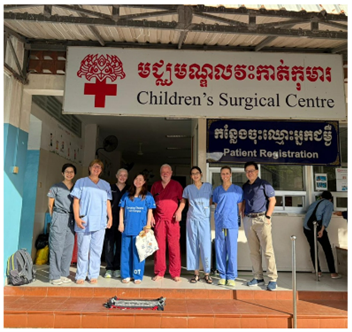

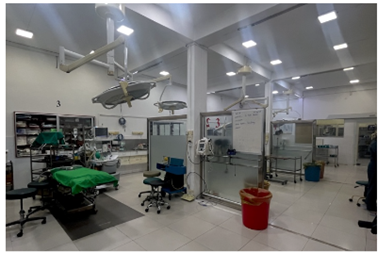
The Children’s Surgical Centre was established in 1998 by UK trained Trauma & Orthopaedic Surgeon, Dr Jim Gollogly. Running as a tertiary teaching hospital, mostly providing reconstructive surgery, it provides around 15,000 consultations and over 2,000 surgical procedures each year. Each day starts with a large MDT meeting, where the patients are brought in to be examined and to discuss which patients will be operated on that day. There are three main theatres in one large operating room, divided by glass partitions, that operate simultaneously. Clinic also runs continuously throughout the day, with patients travelling large distances across the country to be seen at CSC.
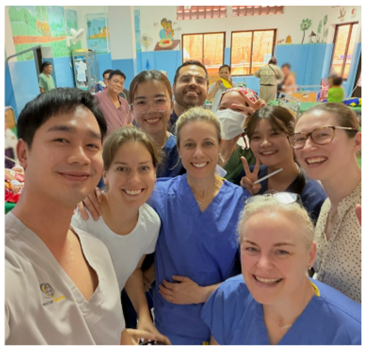
During the week, the team took the local surgeons through a variety of cases, including cleft hand closure, polydactyly excision, hyperselective neurectomy and tendon transfers for spasticity, free-functioning muscle transfer and scapulothoracic fusion for brachial plexus injuries and a variety of burn contracture releases to the upper and lower limbs. The local clinic staff, theatre scrub teams and ward nurses worked exceptionally hard to support the long hours and high case-load generated during the visit. Throughout both clinic and theatre, the visiting team benefited from numerous opportunities to learn from the local surgeons, gaining valuable insights that strengthened their understanding of the cases in the local context. The trip also highlighted the important of long-standing partnerships; not only fostering the growth and confidence of the local surgeons, but also enabling the safe staging of more complex procedures for patients across multiple visits.
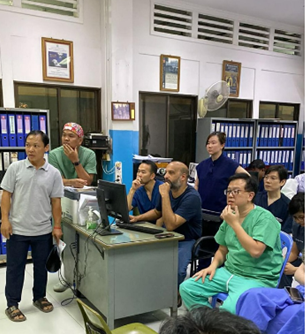
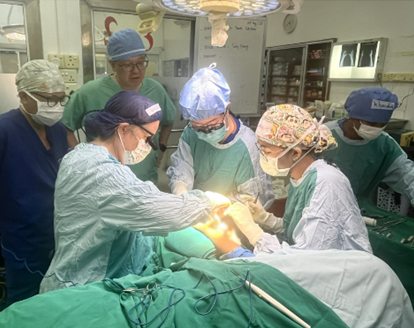
There was also an opportunity to share food with our hosts, including a pizza lunch at CSC and wonderful Khmer cuisine at the home of the CSC founder and his wife. We would like to thank Dr Jim Gollogly and his wife Kanya for their hospitality during our trip; Dr Saqib Noor and all the surgeons, nurses, physiotherapists and staff at CSC for their kindness and facilitating our trip, and of course, the patients and their families – some of whom the team have got to know well over several visits.

Gambia
As part of the BFIRST and Interburns campaign to The Gambia this past November, I had the privilege of participating as a faculty member in delivering basic burn care education to local nurses, doctors, and community members—including traditional healers who frequently manage burn patients.
During our stay, we also evaluated numerous patients with post-burn deformities, many of whom presented with moderate to severe contractures that profoundly impacted their quality of life and independence.
The educational component of this mission holds as much, if not more, significance than the surgical interventions. The participants were deeply engaged and eager to learn not only how to manage burn injuries but also how to prevent them. These types of exchanges are vital for raising awareness and building advocacy for burn survivors. The program was exceptionally well planned and reached individuals who could make the greatest impact within their communities.
We held a clinic day on Sunday to evaluate and select patients for the surgical portion of the campaign. This day was essential for shaping the educational sessions that followed. It allowed us to understand the burden of burn injuries in the population—patients ranging from toddlers to the elderly, most with preventable deformities that could have been minimized with appropriate early care. It also gave us the opportunity to observe one of the hospitals where burn patients are treated and to engage with the healthcare workers providing care, gaining insight into their knowledge and skill levels.
During the first two days of the educational week, we delivered lectures on topics such as burn patient evaluation, burn classification, fluid and pain management, and rehabilitation. We then broke into smaller groups for hands-on sessions in dressing techniques and splint fabrication. This was followed by a second group of participants from more remote regions, with whom we were able to build on the foundation established with the first group.
The third day was particularly meaningful for me. Since the program was scheduled months earlier, I had been looking forward to the session involving traditional healers. Their participation was invaluable—they spoke openly about their practices, their role in the community, and their interactions with the healthcare system. Their perspectives provided insight into practices that can be
both helpful and harmful. The dialogue allowed us to reinforce safe interventions while addressing harmful traditions in a respectful and collaborative manner. Their inclusion was, in my view, one of the most impactful aspects of the program.
This mission was deeply fulfilling for me as a Plastic and Reconstructive Surgeon with a strong interest in burn care. I came away having learned as much as I contributed. It was inspiring to see how advocacy can be built across diverse stakeholders in a way that fosters trust rather than division.
I believe that such engagements can strengthen knowledge, improve skills, and cultivate local advocates for burn prevention and care. I am truly grateful to BFIRST for the opportunity to take part in such meaningful work and am willing to contribute in any form in the future.
Daniel Hailemichael Aboye
Ethiopia
BFIRST plans to visit the ALERT Hospital, Addis Ababa, Ethiopia in January 2026. Rebecca Shirley and James Chan, from Stoke Mandeville Hospital, Aylesbury, UK, will be delivering a microsurgical course, with local and BFIRST faculty, live operating and training for surgeons and scrub staff, to support the local microsurgical service.
The courses will be run with six training microscopes donated and shipped out by BFIRST. They have just cleared customs after 4 months! We will keep you updated with this project!
Fellowships
BFIRST fellows
The 2025 BFIRST fellows have all completed their BFIRST fellowships!
The 2026 BFIRST fellows have been selected, congratulations to:
Dr Lambert Onahi Iji from Nigeria
Dr Masroor-ur-Rahman from Bangladesh
Dr Natasha Ilako from Kenya
Dr Edgar Mumba
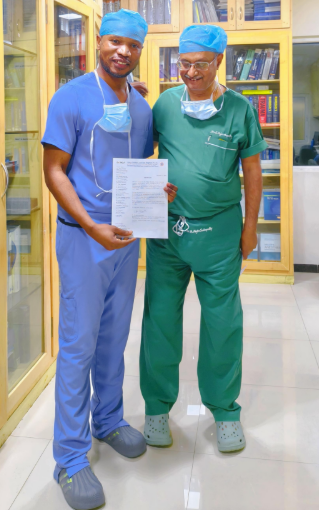
My two-month observership at Ganga Hospital was a deeply transformative professional and personal experience. Coming from a setting where resources and exposure to microsurgery are limited, this opportunity allowed me to observe a world-renowned centre whose standards match—and in many ways exceed—those of leading international institutions. Being immersed in such a high-volume, high-quality environment sharpened my clinical judgment, strengthened my understanding of surgical principles, and reinforced the importance of teamwork in achieving excellent patient outcomes. Most importantly, the experience reshaped my long-term vision for my community and for Zambia as a whole.
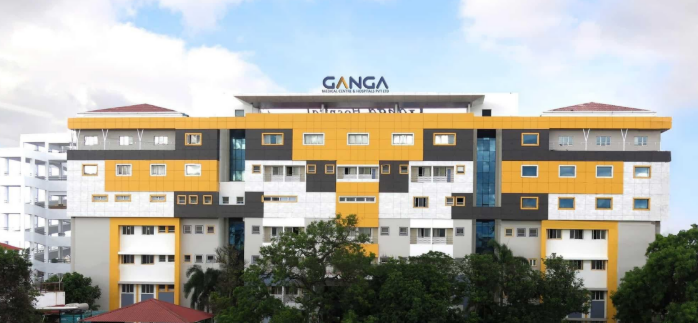
Ganga Hospital is an exceptional institution that attracts observers and fellows from more than 85 countries worldwide. From the moment I arrived, I was welcomed warmly by consultants, fellows, nurses, anaesthetists, and administrative staff. The hospitality and willingness to teach made learning effortless and enjoyable. With 88 operating theatres and an average of 45 surgeries performed daily—sometimes exceeding 100 cases—the scale and efficiency of the hospital are remarkable. Despite this workload, the workflow remained organised and calm, reflecting outstanding institutional planning and leadership.
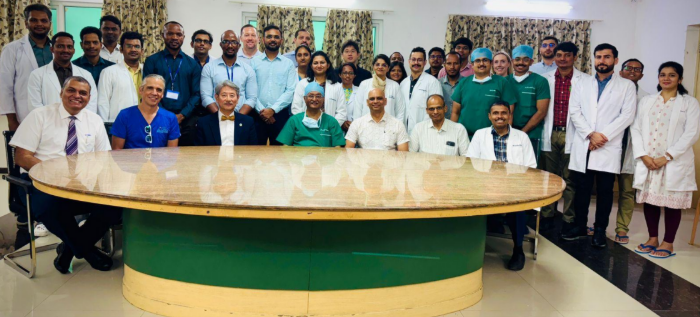
The city of Coimbatore provided a peaceful and supportive backdrop to this experience. The environment was clean, secure, and culturally rich, and the warmth of the people made my stay personally fulfilling. This balance between professional intensity and cultural immersion made the observership especially meaningful.
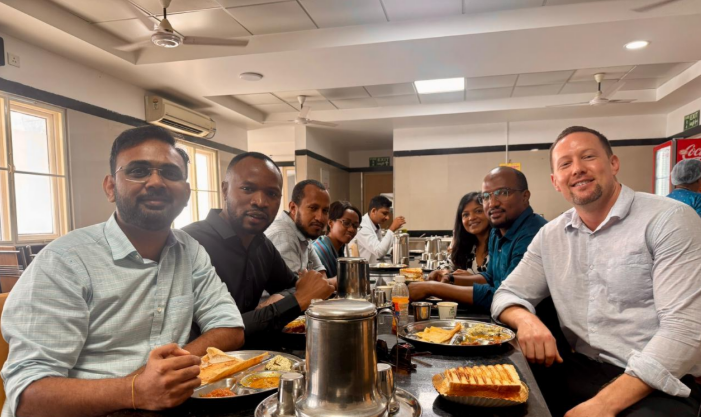
One of Ganga Hospital’s greatest strengths is its teamwork. All cadres of staff function in near-perfect synchrony. The nursing team demonstrated exceptional efficiency in patient preparation, positioning, and maintaining sterile conditions, underscoring their central role in surgical success. Fellows provided structure and accountability through meticulous planning and coordination, while consultants ensured clarity in decision-making and execution. The anaesthesia team worked seamlessly with surgeons, adapting expertly to complex trauma, replantation, and prolonged microsurgical cases. Witnessing this level of collaboration reinforced the truth that world-class outcomes are only possible through unified teamwork.
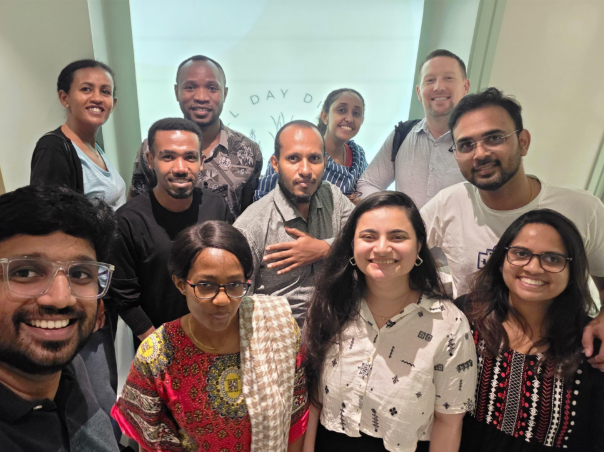
Despite being located in a developing country, Ganga Hospital is equipped with an impressive range of advanced surgical technologies, including high-quality microscopes, microsurgical instruments, orthoplastic tools, and trauma equipment. Equally inspiring was the hospital’s innovative and cost-effective use of resources. Practices such as distilling water on-site for wound irrigation demonstrated how ingenuity can reduce costs without compromising care—an approach highly applicable to Zambia. Facilities such as hydrosurgical debridement systems, early excision and grafting tools, and an advanced skin bank for burn patients showcased how cutting-edge care can be delivered efficiently in resource-conscious settings.
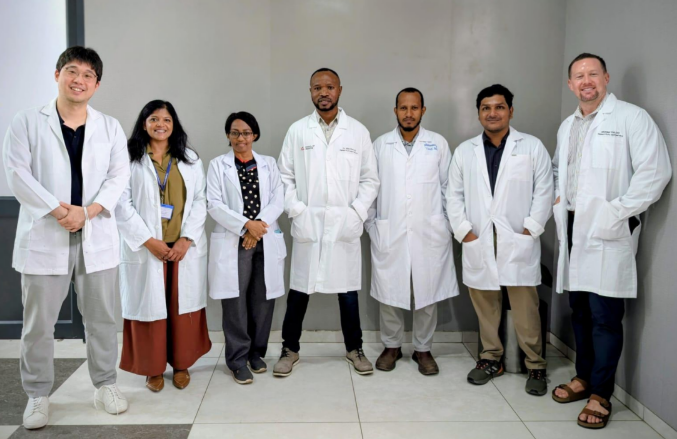
The hospital’s orthoplastic approach stood out as one of the most effective systems I have observed globally. A structured injury scoring system guided decision-making and optimised limb salvage outcomes. The seamless integration of orthopaedic and plastic surgeons through joint planning and shared operating lists allowed for efficient management of complex trauma cases. This model is particularly relevant for countries like Zambia, where road traffic accidents and industrial injuries are common. Even adopting simplified versions of these protocols could significantly improve outcomes across Africa.
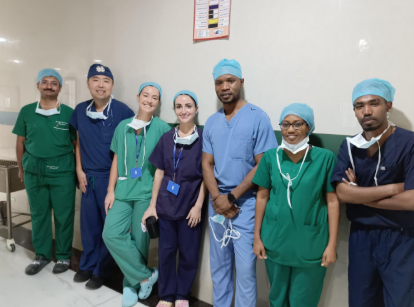
Ganga Hospital’s replantation services are exceptional. All consultants possess advanced microsurgical skills, allowing the institution to manage replantations of the arm, forearm, hand, and digits with consistently high success rates. The availability of skilled teams at all hours ensures timely intervention and prevents avoidable amputations. Observing these procedures strengthened my determination to establish replantation services in Zambia and gave me confidence that, with proper training and systems, such services are achievable at home.
Commitment to patient care is deeply embedded in Ganga’s culture. Each day began with structured morning meetings at 7:30 a.m., followed by long operating lists that continued until every case was completed. This discipline extended from Monday to Saturday. The example set by Prof. S. Raja Sabapathy, who often worked even on Sundays, was particularly inspiring. His philosophy of service and excellence was reflected throughout the institution, creating a culture driven by collective motivation rather than individual ambition.
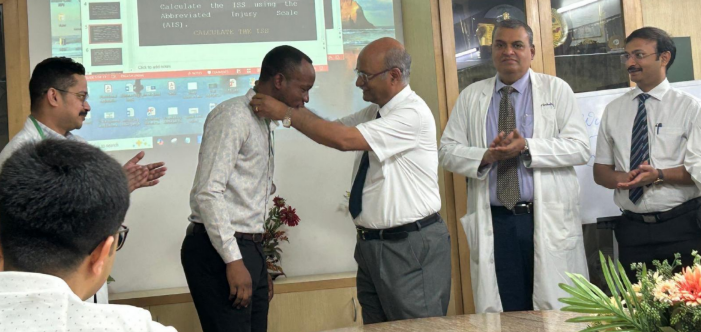
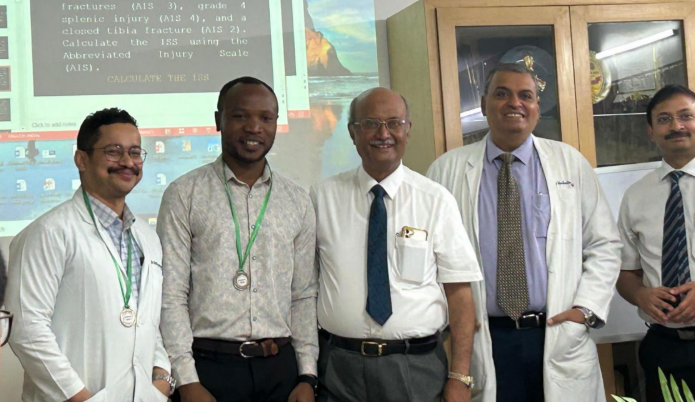
During the observership, I actively participated in morning meetings, outpatient clinics, theatre sessions, and educational activities. I was honoured to take part in a trauma quiz competition, where I placed second in the written exam and later achieved second place in a group quiz. These experiences reinforced my commitment to continuous learning and highlighted both my strengths and areas for further growth.
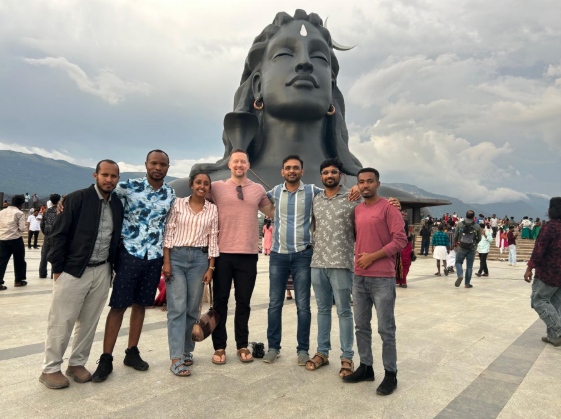
Beyond the hospital, I was welcomed into the social and cultural life of the institution. Being invited to Prof. Sabapathy’s home for Diwali celebrations and visiting the Isha Foundation added a meaningful cultural and spiritual dimension to my stay. These moments fostered a strong sense of belonging and deepened my appreciation for the humility and generosity of the people of Tamil Nadu.
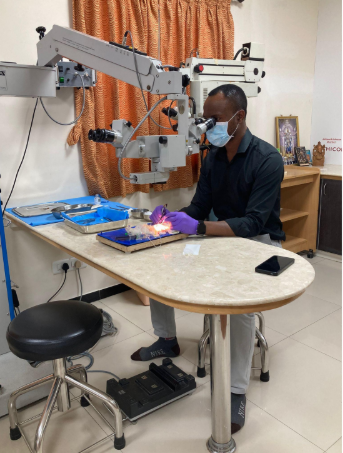
This observership represents a major milestone in my professional journey. I work at Ndola Teaching Hospital in Zambia’s Copperbelt Province, a densely populated and highly industrialised region with a heavy burden of hand and upper-limb injuries. Despite this need, there is no dedicated hand surgery specialist in Ndola, and Zambia has only five plastic surgeons, all based in the capital. The skills, systems, and vision gained at Ganga Hospital will allow me to contribute meaningfully to improving trauma, burn, and reconstructive care. My long-term goal is to establish the first dedicated Hand Surgery Unit in Ndola, serving Zambia and neighbouring regions, including the Democratic Republic of Congo.
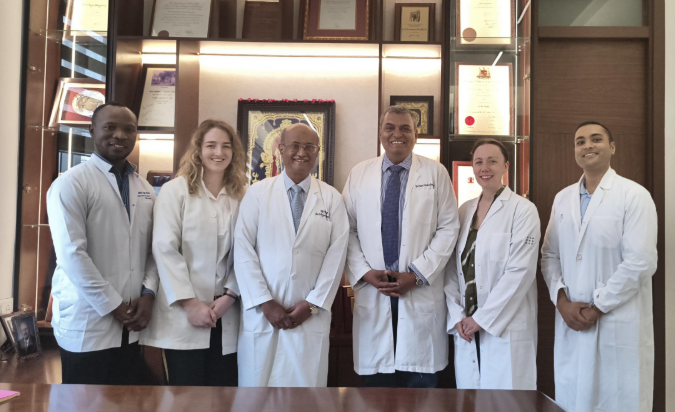
I express my sincere gratitude to Mr. Anthony Barabas and the entire BFIRST Team for making this observership possible, and to Prof. S. Raja Sabapathy for his mentorship, generosity, and leadership. This experience has strengthened my resolve to pursue further fellowship training in hand surgery, microsurgery, and orthoplastic trauma reconstruction, with the ultimate aim of building sustainable, life-changing surgical services for my community.
Other
BFIRST were at the BAPRAS 2025 Congress in Belfast

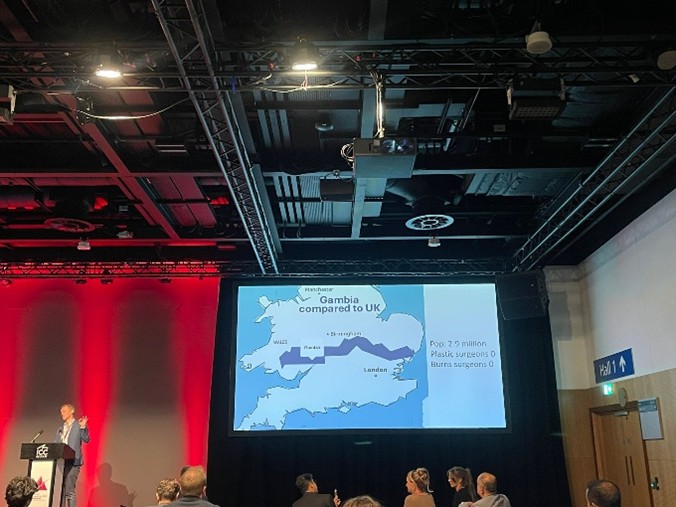

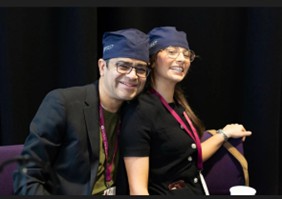
BFIRST hosted a session at the BAPRAS 2025 Congress where members of our team presented about their involvement with projects from this year, and our outgoing Chair Nav Cavale handed over to incoming Chair, Tony Barabas.
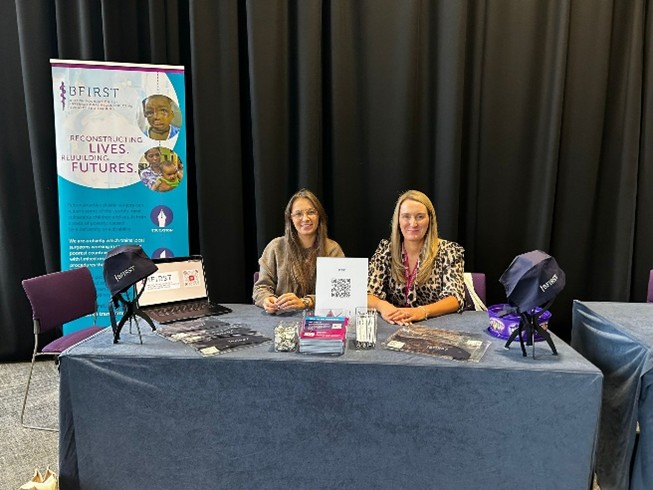
We launched the BFIRST scrub hats at this event which were hugely popular, if you want one please email: hcroberts46@gmail.com. All proceeds will fund work undertaken by BFIRST!
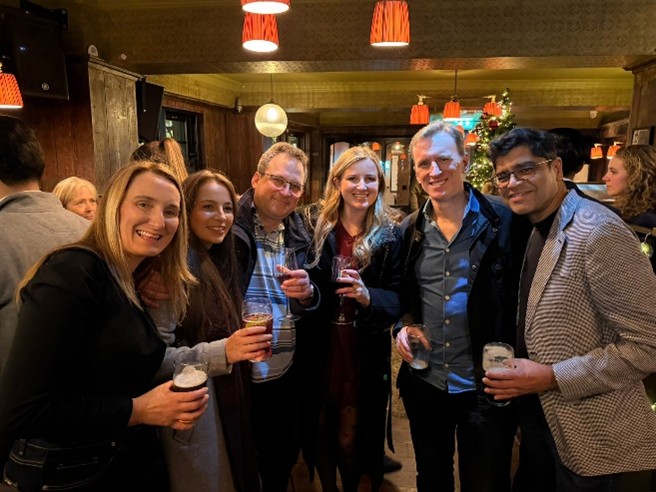
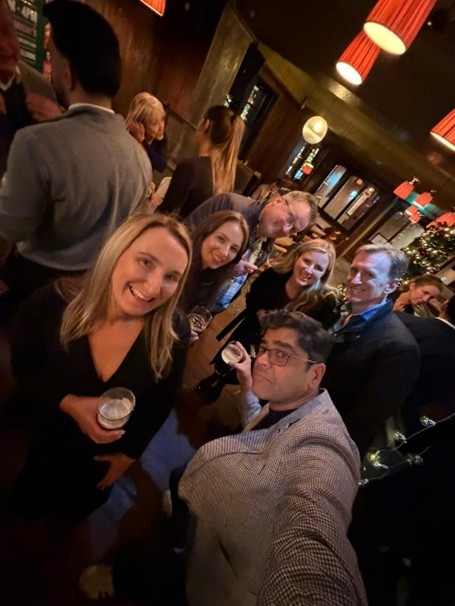
BFIRST also hosted a successful pub night hosted by Silimed!
We look forward to seeing you at next year’s conference in Liverpool!
Fundraising
We would be grateful for any donations to help support our work
https://www.givey.com/bfirst
Tony and James Quinn are fundraising for BFIRST as they climb Kilimanjaro!
Please sponsor them generously https://www.givey.com/tonyandjamesquinn
Open Hand Therapy Initiative
The Open Hand Therapy Initiative aims to improve hand injury care in resource challenged settings in order to reduce disability, improve quality of life and increase chances of work for people with hand injuries and conditions.
They provide accessible, relevant and captivating learning opportunities for generalist occupational therapists and physiotherapists that motivate ongoing development for hand-injury care.
They also invite hand therapists acquainted with the challenges faced in low to middle income countries to participate in strengthening hand injury care in these settings by sharing their expertise.
For more information click here https://openhandtherapy.org/
Volunteering
BFIRST is keen for surgeons, nurses and allied specialists to all get involved. Please do get in touch if you are interested. Reconstructive surgery is a team sport!