Dr Edgar Mumba
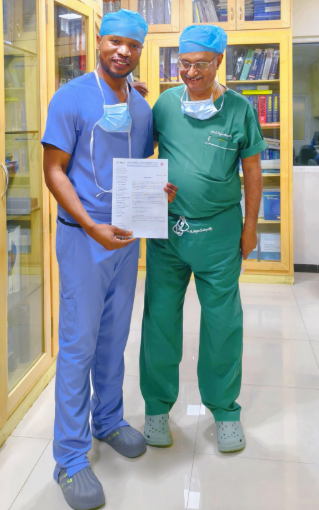
My two-month observership at Ganga Hospital was a deeply transformative professional and personal experience. Coming from a setting where resources and exposure to microsurgery are limited, this opportunity allowed me to observe a world-renowned centre whose standards match—and in many ways exceed—those of leading international institutions. Being immersed in such a high-volume, high-quality environment sharpened my clinical judgment, strengthened my understanding of surgical principles, and reinforced the importance of teamwork in achieving excellent patient outcomes. Most importantly, the experience reshaped my long-term vision for my community and for Zambia as a whole.
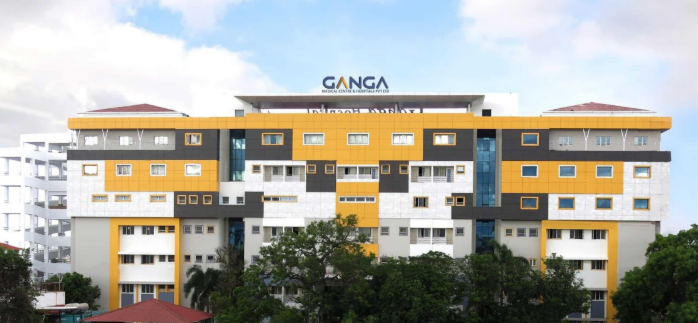
Ganga Hospital is an exceptional institution that attracts observers and fellows from more than 85 countries worldwide. From the moment I arrived, I was welcomed warmly by consultants, fellows, nurses, anaesthetists, and administrative staff. The hospitality and willingness to teach made learning effortless and enjoyable. With 88 operating theatres and an average of 45 surgeries performed daily—sometimes exceeding 100 cases—the scale and efficiency of the hospital are remarkable. Despite this workload, the workflow remained organised and calm, reflecting outstanding institutional planning and leadership.
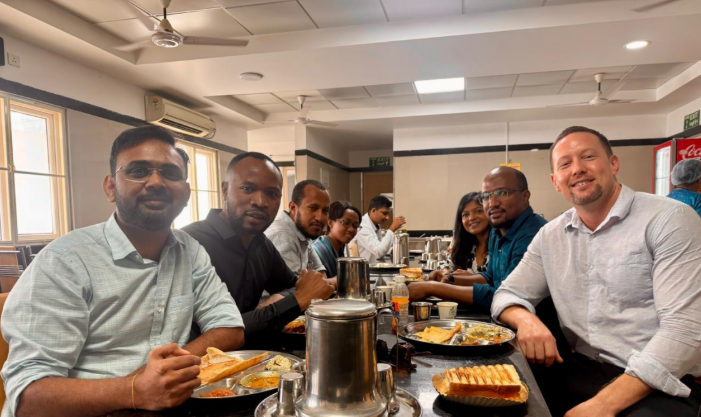
The city of Coimbatore provided a peaceful and supportive backdrop to this experience. The environment was clean, secure, and culturally rich, and the warmth of the people made my stay personally fulfilling. This balance between professional intensity and cultural immersion made the observership especially meaningful.
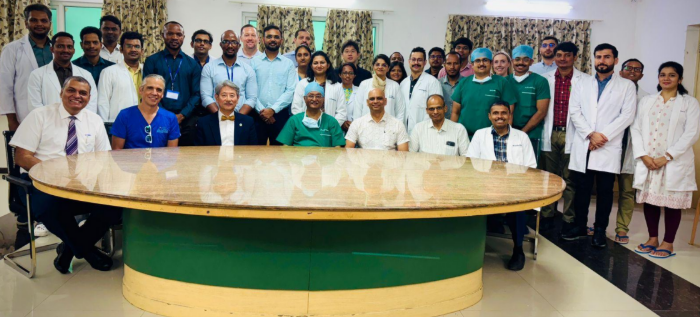
One of Ganga Hospital’s greatest strengths is its teamwork. All cadres of staff function in near-perfect synchrony. The nursing team demonstrated exceptional efficiency in patient preparation, positioning, and maintaining sterile conditions, underscoring their central role in surgical success. Fellows provided structure and accountability through meticulous planning and coordination, while consultants ensured clarity in decision-making and execution. The anaesthesia team worked seamlessly with surgeons, adapting expertly to complex trauma, replantation, and prolonged microsurgical cases. Witnessing this level of collaboration reinforced the truth that world-class outcomes are only possible through unified teamwork.
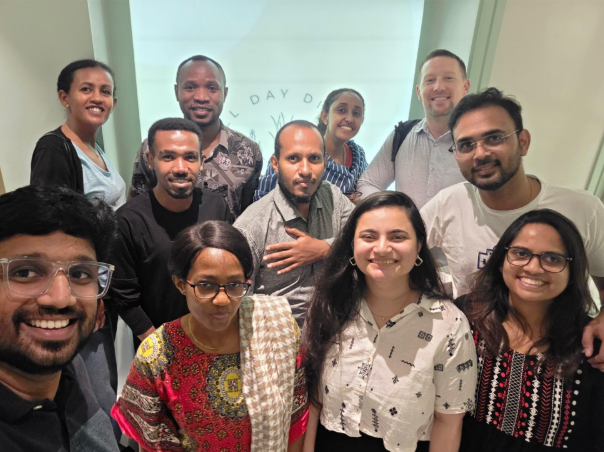
Despite being located in a developing country, Ganga Hospital is equipped with an impressive range of advanced surgical technologies, including high-quality microscopes, microsurgical instruments, orthoplastic tools, and trauma equipment. Equally inspiring was the hospital’s innovative and cost-effective use of resources. Practices such as distilling water on-site for wound irrigation demonstrated how ingenuity can reduce costs without compromising care—an approach highly applicable to Zambia. Facilities such as hydrosurgical debridement systems, early excision and grafting tools, and an advanced skin bank for burn patients showcased how cutting-edge care can be delivered efficiently in resource-conscious settings.
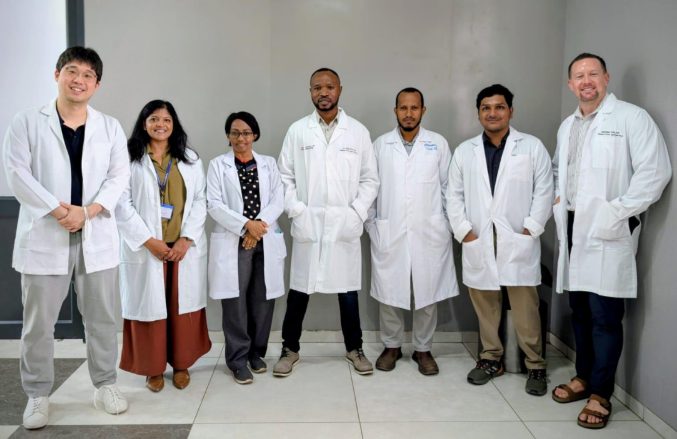
The hospital’s orthoplastic approach stood out as one of the most effective systems I have observed globally. A structured injury scoring system guided decision-making and optimised limb salvage outcomes. The seamless integration of orthopaedic and plastic surgeons through joint planning and shared operating lists allowed for efficient management of complex trauma cases. This model is particularly relevant for countries like Zambia, where road traffic accidents and industrial injuries are common. Even adopting simplified versions of these protocols could significantly improve outcomes across Africa.
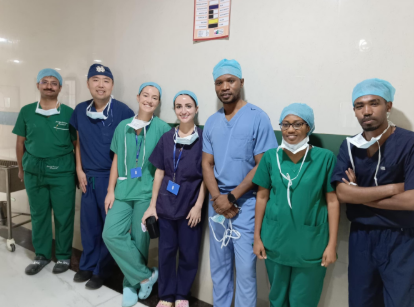
Ganga Hospital’s replantation services are exceptional. All consultants possess advanced microsurgical skills, allowing the institution to manage replantations of the arm, forearm, hand, and digits with consistently high success rates. The availability of skilled teams at all hours ensures timely intervention and prevents avoidable amputations. Observing these procedures strengthened my determination to establish replantation services in Zambia and gave me confidence that, with proper training and systems, such services are achievable at home.
Commitment to patient care is deeply embedded in Ganga’s culture. Each day began with structured morning meetings at 7:30 a.m., followed by long operating lists that continued until every case was completed. This discipline extended from Monday to Saturday. The example set by Prof. S. Raja Sabapathy, who often worked even on Sundays, was particularly inspiring. His philosophy of service and excellence was reflected throughout the institution, creating a culture driven by collective motivation rather than individual ambition.
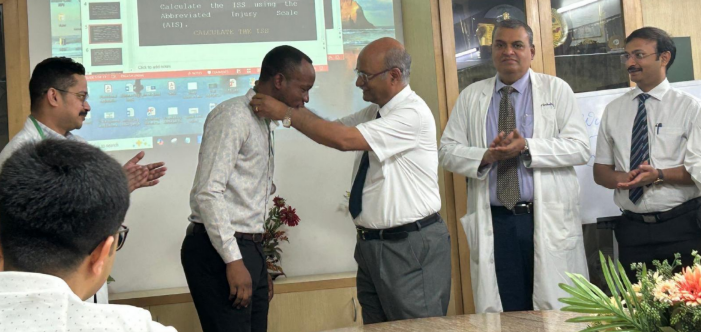
During the observership, I actively participated in morning meetings, outpatient clinics, theatre sessions, and educational activities. I was honoured to take part in a trauma quiz competition, where I placed second in the written exam and later achieved second place in a group quiz. These experiences reinforced my commitment to continuous learning and highlighted both my strengths and areas for further growth.
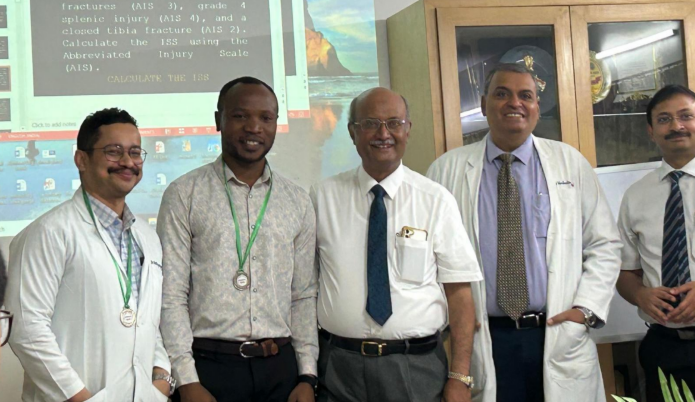
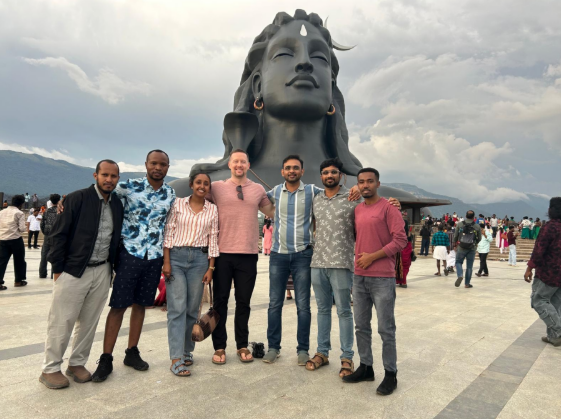
Beyond the hospital, I was welcomed into the social and cultural life of the institution. Being invited to Prof. Sabapathy’s home for Diwali celebrations and visiting the Isha Foundation added a meaningful cultural and spiritual dimension to my stay. These moments fostered a strong sense of belonging and deepened my appreciation for the humility and generosity of the people of Tamil Nadu.
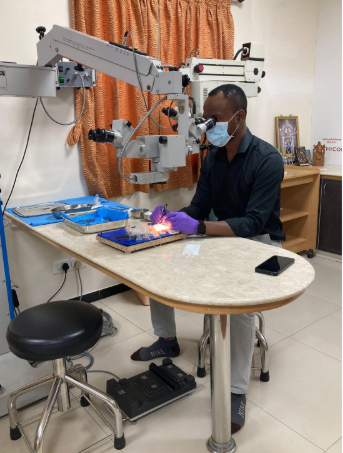
This observership represents a major milestone in my professional journey. I work at Ndola Teaching Hospital in Zambia’s Copperbelt Province, a densely populated and highly industrialised region with a heavy burden of hand and upper-limb injuries. Despite this need, there is no dedicated hand surgery specialist in Ndola, and Zambia has only five plastic surgeons, all based in the capital. The skills, systems, and vision gained at Ganga Hospital will allow me to contribute meaningfully to improving trauma, burn, and reconstructive care. My long-term goal is to establish the first dedicated Hand Surgery Unit in Ndola, serving Zambia and neighbouring regions, including the Democratic Republic of Congo.

I express my sincere gratitude to Mr. Anthony Barabas and the entire BFIRST Team for making this observership possible, and to Prof. S. Raja Sabapathy for his mentorship, generosity, and leadership. This experience has strengthened my resolve to pursue further fellowship training in hand surgery, microsurgery, and orthoplastic trauma reconstruction, with the ultimate aim of building sustainable, life-changing surgical services for my community.